Guide 1
Pick the right activity for today
Start by matching the outing to the day you actually have. Nice weather and high energy usually point to a short outdoor walk in a park, zoo, garden, or easy trail.
Rain, heat, or low energy usually point to indoor sensory play, a library children's area, soft play, or a play cafe. If you only have 30 minutes, choose a splash pad, sandbox, or familiar park.
If you have one to two hours, choose one focused section of a zoo, botanical garden, aquarium, or children's museum. Look at your real situation first, then pick the simplest activity type that fits.
Quick checks
- Nice weather and energy: choose a short walk or outdoor sensory play.
- Rainy, hot, or low-energy day: choose indoor sensory play or a library.
- Only 30 minutes: choose a splash pad, sandbox, or familiar park.
Guide 2
Use water play when you need instant engagement
Water play is often the easiest win for 2-year-olds because it is sensory, immediate, and rule-free. Splash pads, supervised water play areas, shallow park fountains, and children's museum water tables can all work.
Stay within arm's reach around water, even shallow splash areas, because toddlers can lose balance quickly. Bring a change of clothes, towel, optional water shoes, and a snack for after.
Usually free city splash pads are the lowest-friction choice; private water play centers may cost more and need a schedule check.
Quick checks
- Choose water play for hot days or fast 20 to 40 minute outings.
- Stay within arm's reach around any water, even shallow splash areas.
- Bring dry clothes, towel, water, and a snack for after.
Guide 3
Choose sensory play indoors and outdoors
Sensory play works because 2-year-olds do not need to perform, follow rules, or finish a project. Sand, leaves, rocks, music, art, bubbles, soft climbing, picture books, and simple nature exploration all count.
Indoors, try a library children's area, sensory corner, play cafe, soft play space, or children's museum. Outdoors, try a sandbox, shaded park, beach edge, nature path, or playground with toddler-friendly equipment.
These fun activities keep toddlers engaged because they can touch, move, repeat, and stop whenever they are done.
Quick checks
- Pick indoor sensory play for rain, heat, or low-energy days.
- Pick outdoor sensory play when they need movement and fresh air.
- Use snacks, wipes, and a quick exit plan so the visit stays easy.
Best options by situation
| Situation | Best option | Why it works | Watch out for |
|---|---|---|---|
| Nice weather and they have energy | Short walk in a park, zoo, garden, or easy trail | Movement and novelty keep toddlers interested. | Do not plan the whole venue; pick one small area. |
| You only have 30 minutes | Splash pad or supervised water play | Instant fun with almost no setup time. | Check hours and season dates before promising it. |
| It is rainy or too hot | Library, soft play, play cafe, or children's museum sensory area | They still get touch, movement, and novelty without weather stress. | Crowds and noise can overwhelm toddlers fast. |
| You have 1 to 2 hours | Zoo, botanical garden, farmers market, aquarium, or easy trail | Walking plus novelty can stretch attention longer. | Too much walking can turn a good outing into a hard exit. |
| They are clingy or fussy | Familiar library, local park, or neighborhood walk | Comfort and routine reduce stress. | A new busy venue may make the day harder. |
| You are low on energy | Mall play area, play cafe, soft play, or fenced playground | They move while you stay close and recover. | Noise and bigger kids can change the fit quickly. |
| Weekend and you want something special | Aquarium, children's museum, zoo, or botanical garden | More to look at makes it feel like a real outing. | Cost and crowds matter more when toddlers may only last an hour. |
Guide 4
Try short outdoor walks in interesting places
Short outdoor walks are best when you want the outing to feel like you actually went somewhere without making the day too ambitious. Zoos, botanical gardens, farmers markets, aquariums with outdoor areas, and easy nature trails work because they combine movement with new things to see.
Bring a stroller or carrier for the tired part, plus water and snacks. A 45 to 90 minute visit can work if there is enough novelty, but the best plan is still small: choose one loop, one garden path, or one animal area.
Quick checks
- Use a stroller or carrier so you can keep moving when they get tired.
- Pick one section instead of trying to finish the whole place.
- Leave while the outing still feels good.
Guide 5
Use familiar places when they are clingy or fussy
If your 2-year-old is already clingy, tired, or uncertain, skip the brand-new place. A regular park, familiar library, bookstore children's corner, or simple neighborhood walk is usually a better toddler activity than a big attraction.
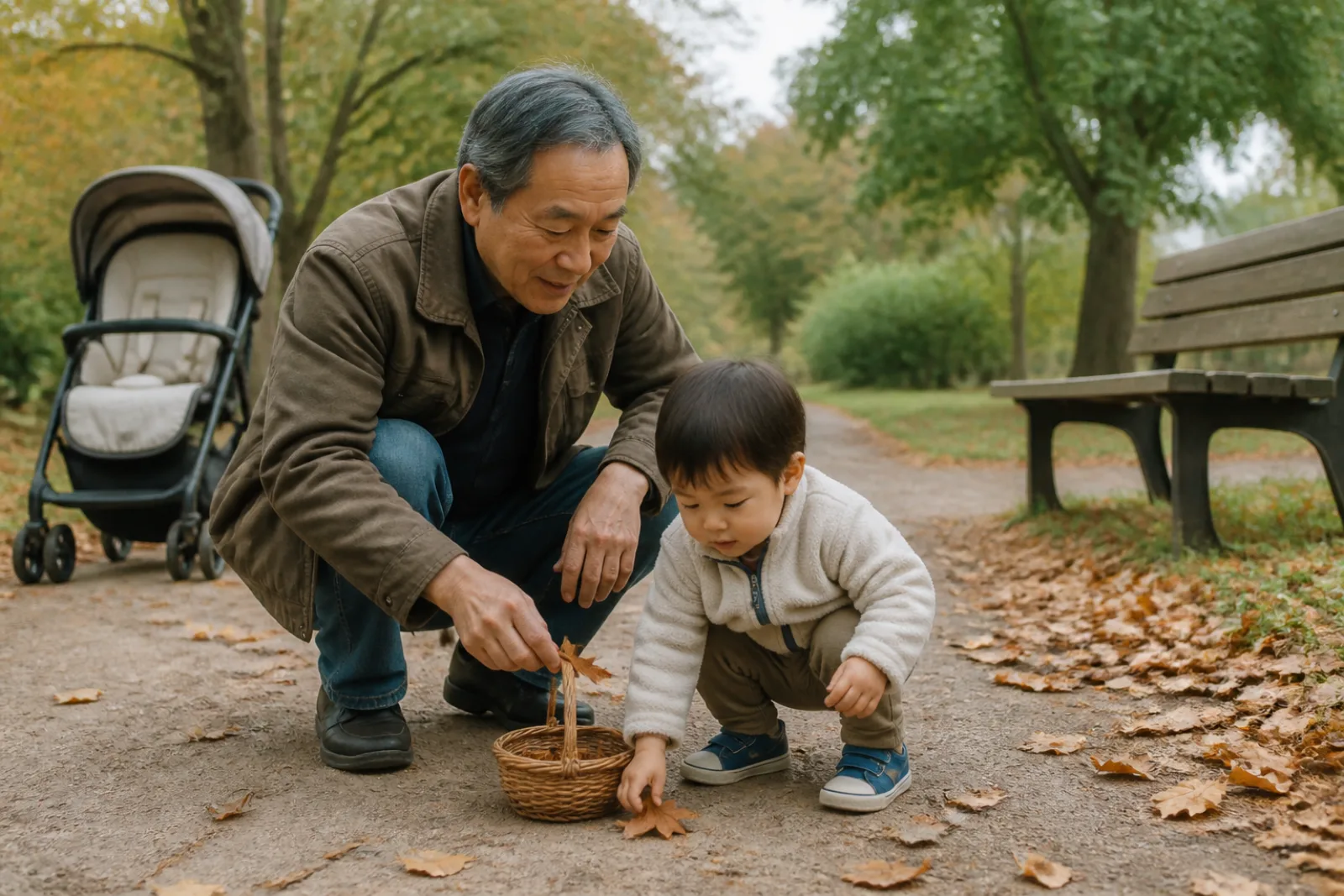
Comfort and routine lower meltdown risk. You can still make it feel like an outing by adding one tiny focus: water fountain, sandbox, storytime, snack on a bench, or looking for leaves on the way home.
Quick checks
- Choose familiar over exciting when the day already feels fragile.
- Keep the visit close to home and easy to abandon.
- Use one tiny mission instead of a big plan.
Guide 6
Pick sit-and-play options when you are low on energy
Your energy matters too. If you are tired, choose a place where your child can play while you sit nearby: indoor mall play areas, cafes with kid corners, soft play rooms, library children's sections, or a fenced playground with shade.
These are not always the most exciting options, but they are practical. Watch for crowding, mixed-age play, and noise.
For 2-year-olds, a calm 30 to 60 minute reset can be much better than a bigger plan that drains everyone.
Quick checks
- Choose contained play when you need to rest within sight.
- Bring socks for soft-play areas and wipes for snack breaks.
- Leave if the space gets too crowded or loud.
Guide 7
Save paid attractions for when you want something special
Children's museums, aquariums, zoos, and botanical gardens can be wonderful for 2-year-olds, but they do not need to be the default. Paid outings work best when you have enough time, everyone is fed, and the place has clear toddler-friendly areas.
Look for water tables, soft climbing, fish tanks, animal viewing, stroller-friendly paths, bathrooms, and food nearby. Free activities for 2-year-olds near me can be just as good for daily outings, so save paid attractions for days when you really want the trip to feel special.
Quick checks
- Check ticket price, hours, parking, stroller access, and bathrooms.
- Look for toddler zones, water tables, fish tanks, animals, or easy paths.
- Use paid attractions as special outings, not the only good option.
Guide 8
Know when to leave, and make that part of the plan
The biggest mistake is trying to stay longer because you came all this way. For 2-year-olds, a short happy outing is a win.
If they are engaged, leave while it is still good. If they are whining, clinging, asking for snacks again, losing interest in everything, wanting to be held, or you are exhausted, it is time to go.
Leaving early is not failure. It teaches your toddler that outings can end calmly, which makes next time easier.
Quick checks
- Leave while the outing still feels positive.
- Use a short warning before transitions when possible.
- Treat 15 to 40 good minutes as a real success.
Guide 9
Keep a backup plan ready
Always have a backup before you leave. If the splash pad is closed, go to a playground.
If the zoo is crowded, switch to a nearby park. If the library storytime is full, browse picture books for 20 minutes and go home.
If your child is overwhelmed, leaving is still a valid choice. A backup removes pressure because you are no longer trying to force one perfect outing.
Quick checks
- Pick one easier backup before leaving.
- Make the backup closer, cheaper, or more familiar than the first choice.
- Keep one easier backup when the first option is crowded or closed.
Guide 10
Pack only the toddler outing essentials
For most 2-year-old outings, you do not need a huge bag. Pack water, easy snacks, wipes, hand sanitizer, a change of clothes if water or messy play is possible, sunscreen for outdoor time, a hat or light layer, and a charged phone.
Short activities for toddlers work best when setup is simple. If packing takes longer than the outing, scale the plan down.
Quick checks
- Water, snacks, wipes, and a charged phone are the baseline.
- Add clothes and towel for water, sand, or messy play.
- Scale down if the preparation starts to feel bigger than the outing.
Choose without scrolling forever
- 1
Match the outing to today's weather and your energy.
- 2
Choose one simple activity type: water, sensory play, short walk, or familiar indoor stop.
- 3
Check hours, parking, bathrooms, and whether you can leave quickly.
- 4
Pack water, snacks, wipes, and any weather-specific extras.
- 5
Leave while the outing still feels good.
Before you leave the house
- Weather checked
- Hours or storytime schedule checked
- Water, snacks, and wipes packed
- Change of clothes packed if water or sand is involved
- Exit plan is clear
- One easier backup is ready
- Phone is charged
- Short, happy outing is the goal
Frequently asked questions
How long should a 2-year-old outing actually be?
For sensory-focused activities like splash pads, sandboxes, or library play, 20 to 40 minutes is often enough. For walking outings like zoos or gardens, 45 to 90 minutes can work if there is constant novelty. A perfect outing is one where your child is still mostly happy when you leave.
What if my 2-year-old does not want to leave?
Give a short warning, such as we are going to the car in 5 minutes. Toddlers usually handle transitions better with a warning than with a sudden stop. If they still melt down, stay calm and leave anyway.
Is it worth going out if my 2-year-old is clingy?
Yes, but choose somewhere familiar and low-key, such as your regular park, local library, bookstore corner, or a short neighborhood walk. Skip new, crowded, or loud places when they are already anxious.
What if the activity I planned does not work?
Pivot immediately. Go to your backup plan or go home. That is not failure; it is being responsive to your child's needs and protecting the rest of the day.
How do I know if an activity is good for 2-year-olds?
Ask three questions: Can they engage right away without waiting? Can I leave quickly if they are done? Is it sensory, movement-based, or visually interesting? If yes, it is probably a good fit.
Are free activities good enough for 2-year-olds?
Yes, often they are better. 2-year-olds do not care about ticket prices. A free splash pad, park sandbox, library storytime, or short nature walk can deliver the same engagement as a paid attraction with an easier exit.
What are the best free activities for 2-year-olds near me?
Parks, splash pads, libraries, playgrounds, nature walks, and community toddler programs are usually the best free options. Many communities have free splash pads, park water features, and library storytimes. Check your local library and recreation department calendars before leaving.
Can I do activities for 2-year-olds indoors on rainy days?
Yes. Children's museums, libraries, soft play centers, play cafes, bookstores, mall play areas, and community centers can all work. Choose the easiest entrance, shortest visit, and simplest exit.
What is the best time of day to take a 2-year-old out?
Mid-morning or after nap time usually works best, especially when they are fed and rested. Avoid hungry times, nap time, and the hottest part of the day for outdoor activities.